

introduction
A Canadian Marketing Company
Free Website Audit
We will review your website and provide you with some actionable tips!
We develops aggressively targeted campaigns with the services below
marketing services we offer

Local Listing Optimization
The process of ranking your website to appear high up in search results for a given keyword.

Responsive Website Design & Development
Mobile devices are surpassing desktop on the web, a mobile responsive website is a must.

Search Engine Marketing PPC
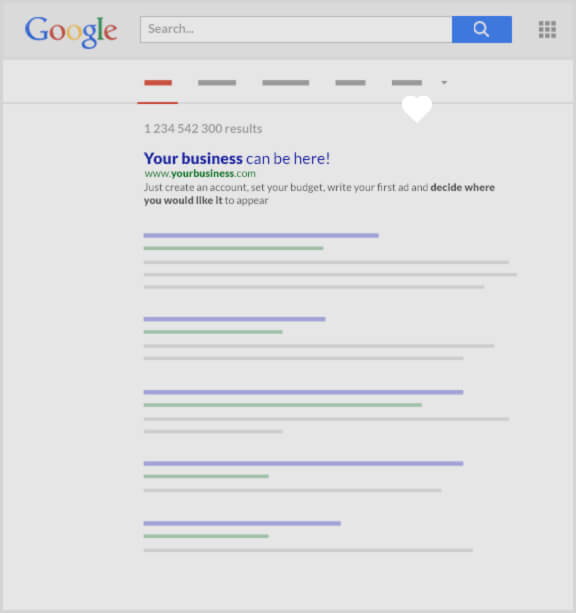
You want leads we can get you leads we use the power of Paid advertisement to bring you leads
Search Engine Optimization SEO- an endless source of organic traffic
Internet marketing and SEO Search Engine Optimization is continually evolving and becoming more competitive. We sometimes have to implement new strategies for our clients’ campaigns. We consider ourselves web traffic experts. There is plenty of organic traffic available online with all the search engines, ie, Google, Bing, Youtube (yes YouTube it is the second biggest search engine after Google) therefore we take advantage of all areas where your business can grow. The Web Search Guide team is also able to quickly respond to changes in your industry/market to make sure your business is always a couple of steps ahead of your competition.
Did you know that 80% of website visitors have clicked a link on a search engine results to get to a site, 50% of local searches (mostly performed on mobile) lead to a store visit within one day and finally 18% of local searches lead a to sale within one day. It is essential for your website to rank high in the search engines results to take advantage of the traffic available. The work is not done yet; those visitors need to be converted in to buyers also. If your business is looking for proven marketing strategies that will make you stand out from your the competition, the Web Search Guide team will help you implement a plan that fits your business needs. We will deliver proven results through all the SEO search engine optimization services that we offer and giving you the most mileage for your dollar.
an SEO Firm like no other
We work hard to earn your trust
can we work together
Honesty is the best policy, we can't work with everybody. We have an honest discussion about you and your business, your goals, budget and what would be the best course of action to get a positive ROI. If we are not a good fit for you then we promise to be 100% honest.
Marketing Strategy - The plan
Based on the details we have gathered, we build a custom strategy designed to help you get the most leads in a cost effective way. We communicate clearly the work what to expect.
delivery and execution
Once everything is in place, we get to work on your campaigns. Communication is key we will send you monthly reports so you can see the progress.
Review
We often review our progress, discuss them with you and adjust them accordingly. We always explore new avenues where we can increase your brand footprints and to discover new opportunities.
Ottawa's Local Search Listing
Local search is growing in popularity as more Internet searches are using local search instead of traditional phone book directories.
It is more important than ever for a business to implement a local search strategy to achieve prominent ranking results. These strategies can be complicated, detailed, and time-consuming. The Web Search Guide team knows to create a Local Search Listing plan with search engine optimization and implement the strategy that will put your website listed at the top of the search rankings just like we did for our Ottawa SEO agency website.
interested in growing your SEO business with digital marketing ?
Book a free, no obligation strategy session with us